In the ever-evolving world of graphic design, the tools you choose can significantly impact your creative output and efficiency. As we look ahead to the upcoming year, it’s essential to understand how to select the right graphic design tools that align with your unique needs and aspirations. With the rise of new technologies and trends, making informed decisions will empower you to elevate your design projects and stay ahead of the curve.
Understanding Your Design Needs
Before diving into the vast array of graphic design tools available, it’s crucial to assess your specific design needs. Are you a beginner looking for user-friendly software, or are you an experienced designer seeking advanced features? Understanding your skill level and the types of projects you will be working on will guide your tool selection process. For instance, if you primarily create social media graphics, a tool with robust templates and easy export options may be ideal.
Moreover, consider the mediums you will be designing for. Different tools excel in various areas, such as print design, web design, or digital illustrations. By identifying your primary focus, you can narrow down your options and choose tools that enhance your workflow rather than complicate it. This tailored approach will save you time and frustration in the long run.
Exploring Emerging Trends in Graphic Design Tools
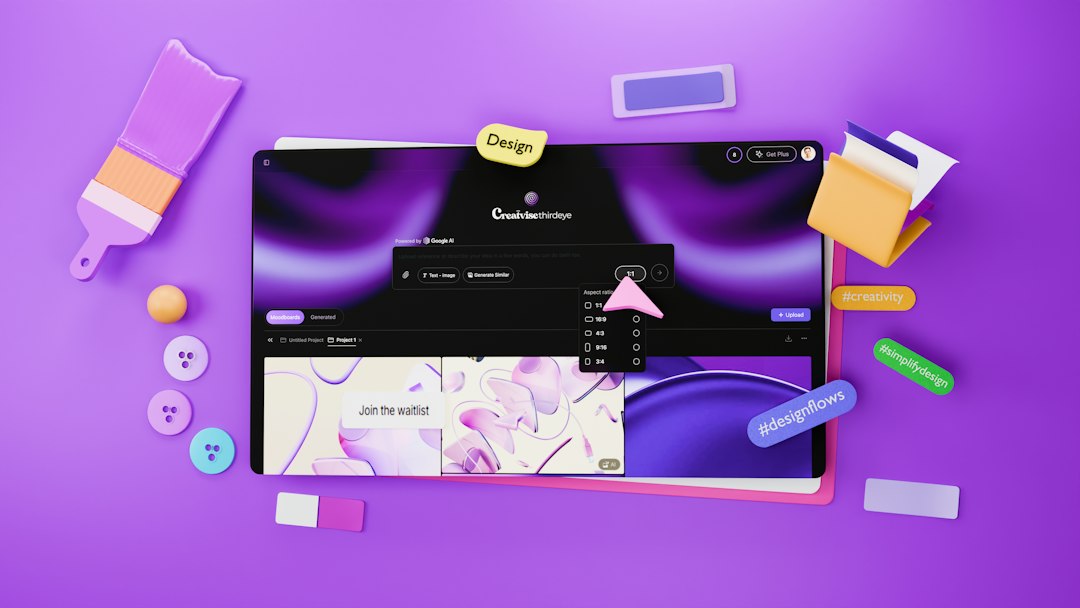
As we step into the next year, two significant trends are poised to reshape the graphic design landscape. First, the integration of artificial intelligence (AI) into design tools is becoming increasingly prevalent. AI-powered features can automate repetitive tasks, suggest design elements, and even generate creative ideas based on user input. This innovation not only streamlines the design process but also allows designers to focus on more strategic and creative aspects of their work.
Another trend to watch is the rise of collaborative design platforms. With remote work becoming the norm, tools that facilitate real-time collaboration among team members are gaining traction. These platforms enable designers to work together seamlessly, share feedback instantly, and manage projects more efficiently. As collaboration becomes a cornerstone of the design process, investing in tools that support teamwork will be essential for success in the coming year.
Evaluating Tool Features and Usability
When selecting graphic design tools, evaluating their features and usability is paramount. Look for tools that offer a balance of functionality and ease of use. A cluttered interface can hinder your creativity, while a streamlined design can enhance your workflow. Many tools provide trial versions, allowing you to test their features before committing. Take advantage of these trials to find the right fit for your design style.
Additionally, consider the learning curve associated with each tool. Some software may offer extensive capabilities but require significant time to master. If you’re working on tight deadlines, opting for tools that provide quick onboarding and intuitive interfaces can be a game-changer. Remember, the right tool should empower you, not overwhelm you.
Budgeting for Your Graphic Design Tools
Budget is another critical factor when choosing graphic design tools. While some tools come with hefty price tags, there are numerous affordable or even free options that deliver excellent results. Assess your budget and prioritize tools that offer the best value for your investment. Subscription models are also becoming popular, allowing you to access premium features without a large upfront cost.
Furthermore, consider the long-term costs associated with each tool. Some software may require additional purchases for plugins or updates, while others offer all-inclusive packages. By understanding the total cost of ownership, you can make more informed decisions that align with your financial goals.
Staying Updated with Industry Developments
The graphic design industry is constantly evolving, and staying updated with the latest developments is crucial for any designer. Follow industry blogs, attend webinars, and participate in design communities to keep your skills sharp and your knowledge current. Engaging with fellow designers can also provide insights into the tools they use and their experiences, helping you make more informed choices.
As we move into the upcoming year, being proactive about your tool selection will position you for success. Embrace the innovations on the horizon, and don’t hesitate to experiment with new tools that may enhance your creative process. By choosing the right graphic design tools, you’ll not only improve your efficiency but also unlock new levels of creativity in your work.